What is actually exposed?
Connect asset identity, observed services, reachability, and candidate paths instead of treating every inventory record as equally at risk.
From disconnected findings to an operating picture.


Security from code to critical infrastructure
Breakwater connects infrastructure, application, and cryptographic evidence so security leaders can prioritize real exposure, defend findings, and govern response without replacing the tools their teams already trust.
Evidence before inference · Human authority stays explicit
The security decision gap
Breakwater closes the gaps between inventory, findings, ownership, action, and proof without asking you to discard the controls already operating in your environment.
Connect asset identity, observed services, reachability, and candidate paths instead of treating every inventory record as equally at risk.
From disconnected findings to an operating picture.Keep source, replay, coverage, confidence, and missing context attached so teams can separate supported claims from scanner noise.
From alert volume to reviewable evidence.Bind proposed actions to scope, a named owner, approval, blast radius, and rollback before consequential execution is allowed.
From automation pressure to accountable control.Collect fresh evidence after change and preserve the result so closure means more than moving a ticket to done.
From activity records to verified outcomes.Breakwater ASOC
Breakwater ASOC is the operating architecture that connects security evidence to accountable action. Secure observes, Assure validates, and SOAR governs response while your existing controls remain in place.
Explore the architecture →Scanners · EDR and NDR · Firewalls · SIEM · CMDB · AppSec pipelines · Identity and ticketing
Signals remain attributable to their source.Breakwater Secure
Connect assets, services, vulnerabilities, protocols, cryptography, reachability, and candidate attack paths.
Explore Secure ↗Breakwater Assure
Trace exact source, replay evidence, expose coverage limits, and preserve human review.
Explore Assure ↗Breakwater SOAR
Open cases, route named approval, constrain execution, preserve rollback, and verify the result.
Explore SOAR ↗Capability availability depends on product maturity, installation, integrations, permissions, and agreed operating boundaries.
Where Breakwater fits
Category-level positioning only. This is not a vendor benchmark or performance claim.
| Existing category | What it does well | Decision gap Breakwater addresses |
|---|---|---|
| Asset and vulnerability tools | Discover assets and known weaknesses | Connect findings to observed services, reachability, paths, ownership, and scope. |
| AppSec platforms | Find source and dependency issues | Preserve exact source, replay, challenge, coverage limits, and human decision state. |
| SIEM and response automation | Correlate alerts and execute playbooks | Require evidence, named authority, bounded scope, rollback, and verification before closure. |
| PQC inventory | Catalog cryptographic capability | Relate advertised support to observed behavior, dependencies, owners, and migration decisions. |
One evidence chain, start to finish
An illustrative ASOC operating model spanning current and planned capabilities. It is not a claim that every step is available or connected today; availability depends on product maturity, deployment scope, configuration, permissions, and available evidence.
A device missing from the current inventory appears inside an authorized discovery scope. The source, time, and scope stay attached.
Available service and firmware signals are matched with vulnerability intelligence while confidence and coverage limits remain visible.
A permitted check asks whether the camera can be reached outside its intended segment and preserves the result as evidence.
Analysis examines whether the exposed device could provide a route toward an operations network it was never meant to touch.
Asset owners connect the technical path to the systems, coverage, and continuity that could be affected.
A candidate segmentation change identifies the stale rule, the intended camera boundary, and a rollback path.
The designated owner reviews impact and rollback before any consequential production change is permitted.
Where post-change assessment is enabled, new evidence determines whether the path closed and records what changed.
Breakwater Assure and Breakwater Secure apply the same evidence rules to different questions: is this code finding defensible, and can this cryptographic transition happen safely?
Where cyber becomes operational
Breakwater connects network and software evidence to the operating environment around it, because a finding matters differently when it affects movement, power, safety, or production.

Terminal cameras, access control, baggage operations, building systems, passenger networks, and airfield services create paths that cross organizational boundaries.
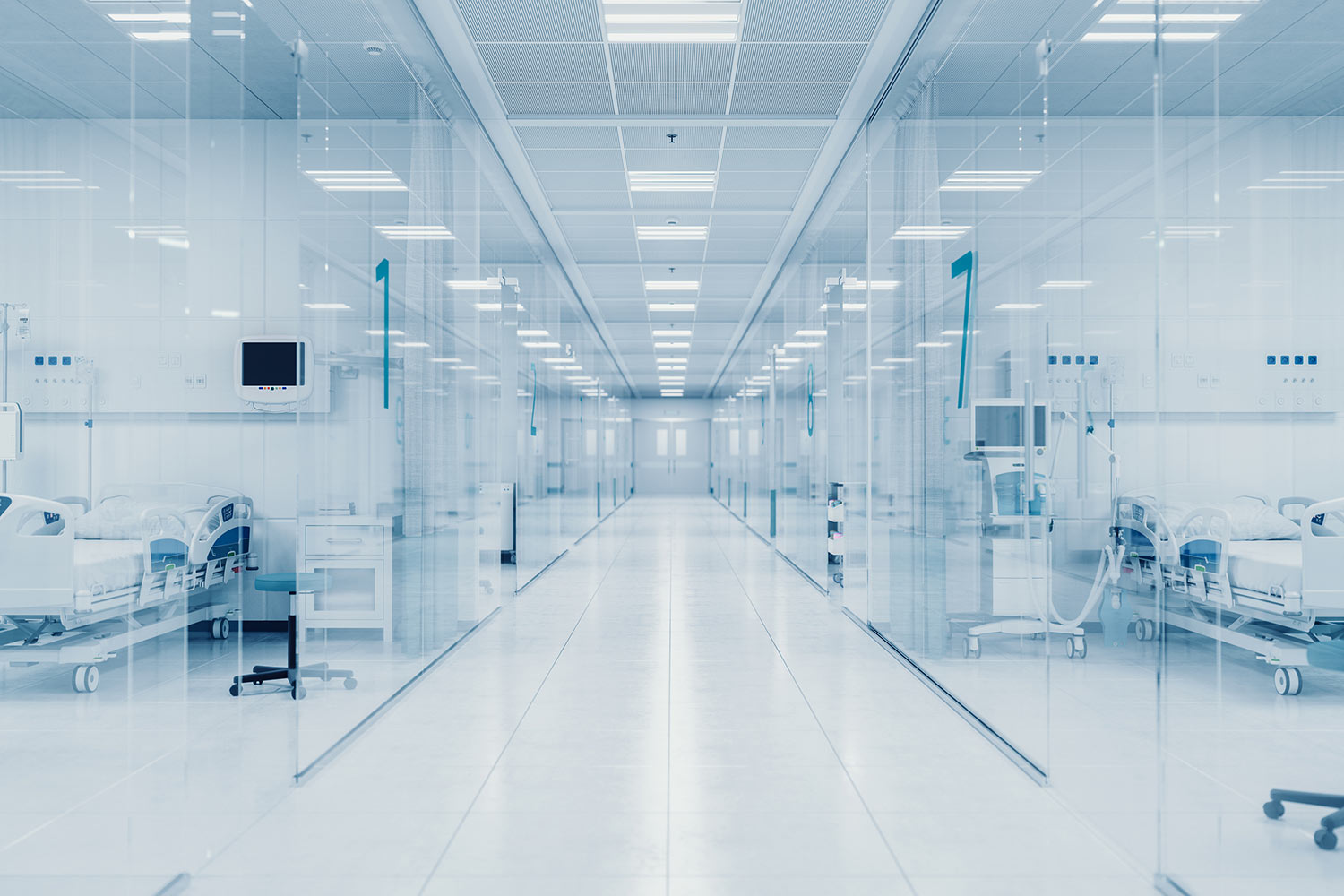
Can we validate the risk across bedside equipment, clinical networks, and supporting infrastructure without disrupting patient care?
See how Secure, Assure, and SOAR fit here →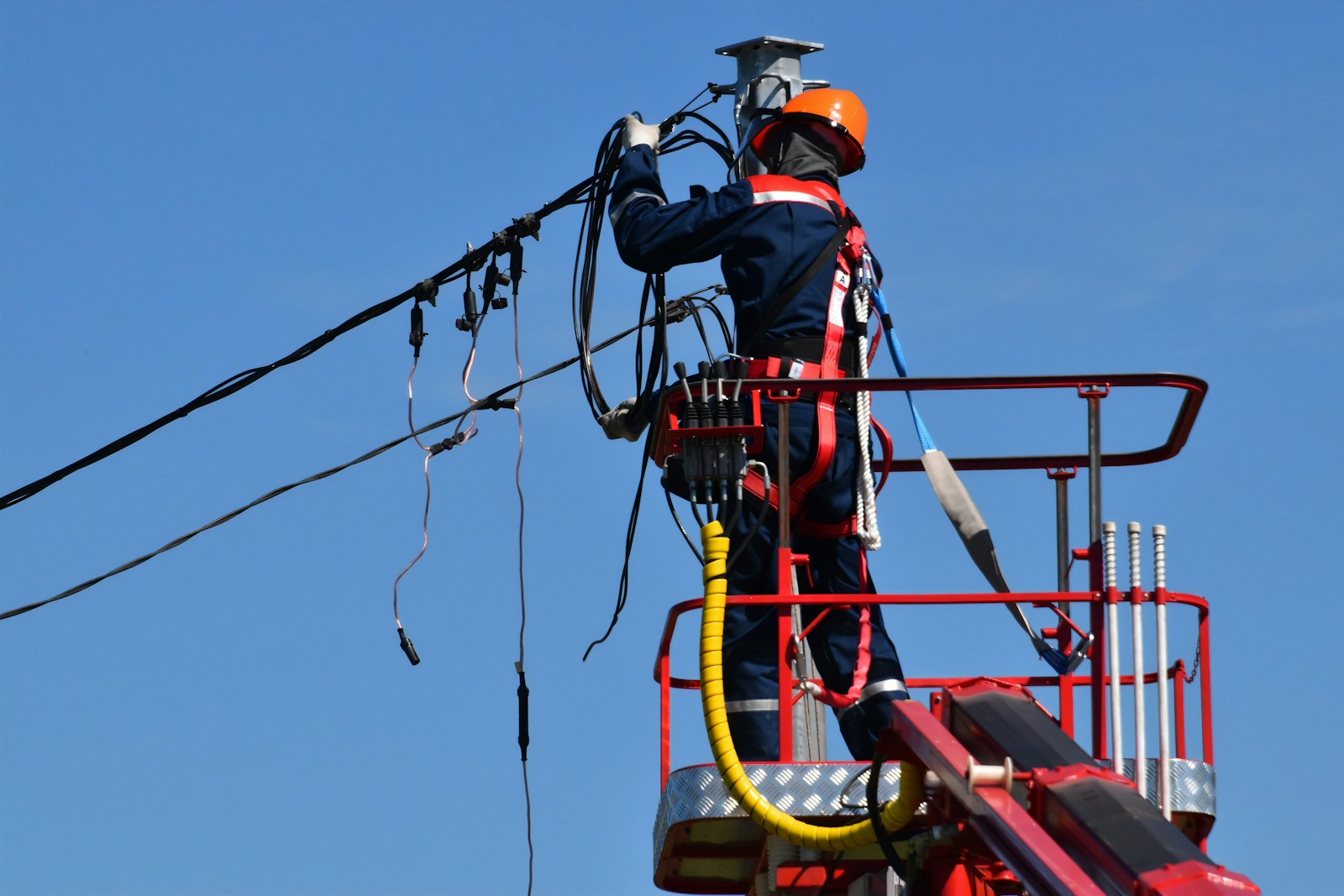
Substations, remote access, field equipment, controllers, and maintenance workflows must be understood as one operating system, and every change path needs an accountable owner.
See how Secure, Assure, and SOAR fit here →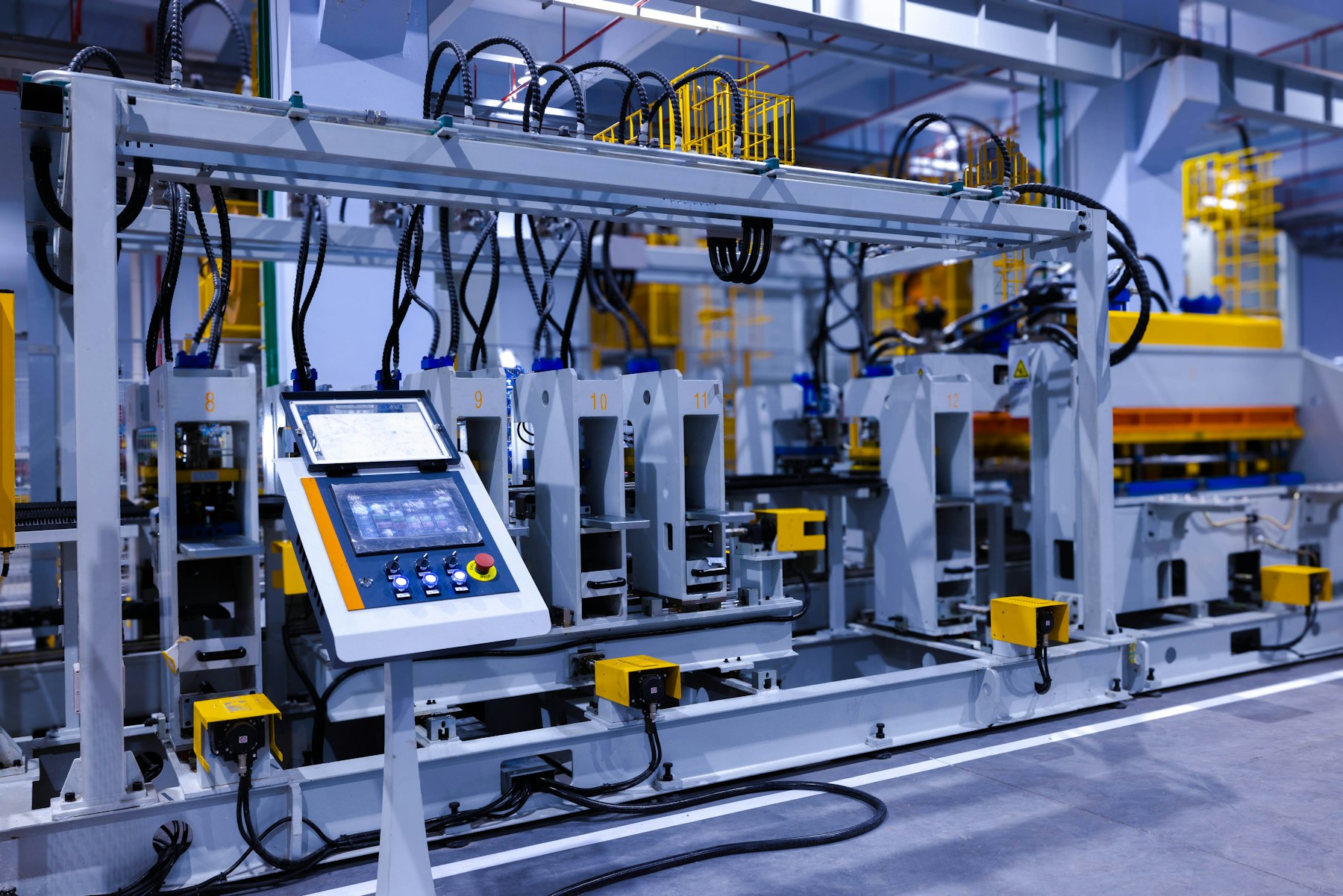
PLCs, sensors, gateways, firmware, software dependencies, and network policy determine what an operator can safely trust.
See how Secure, Assure, and SOAR fit here →The same discipline reaches past the field network, into code and cryptography.
Deployment and trust boundaries
Where customer-controlled processing is required, placement of collection, evidence storage, and response relays is evaluated against the selected modules and environment. Each accepted design defines what stays local, what may cross an approved boundary, and who is permitted to act.
Review the architecture →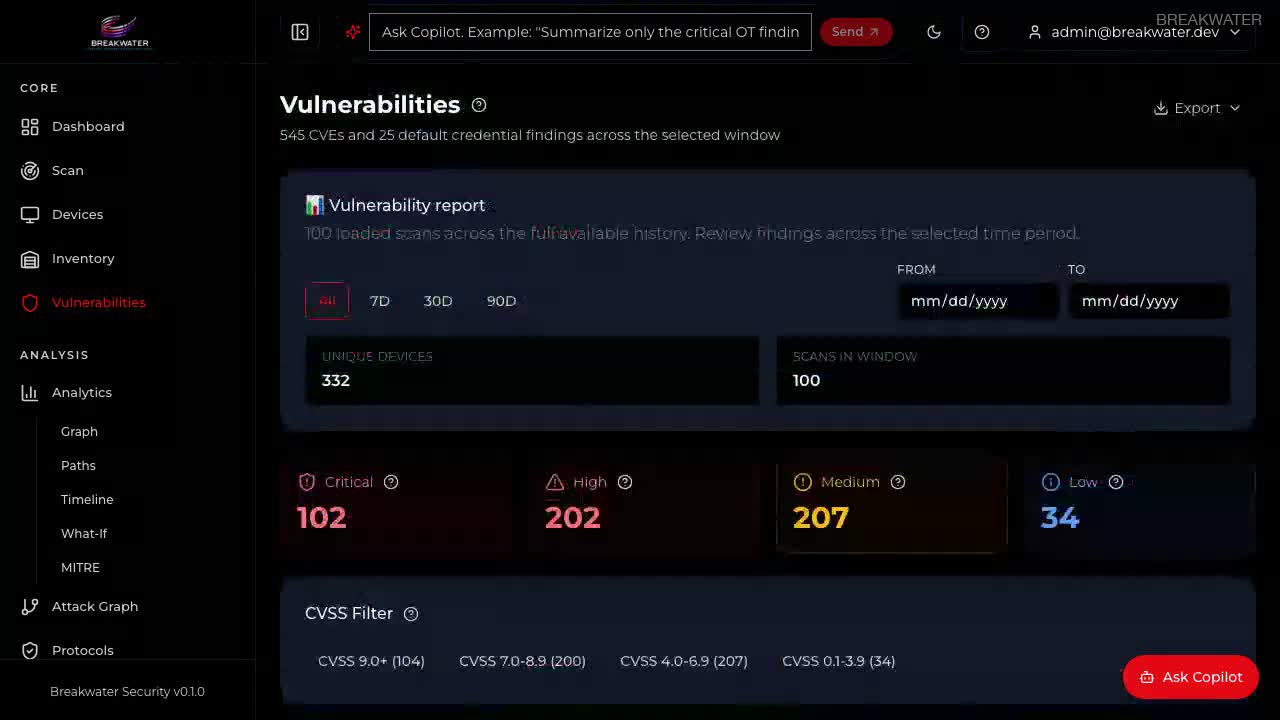
A system for defensible decisions
Breakwater products share a disciplined operating loop designed for consequential security work.
Capture exact source, time, scope, and coverage before drawing a conclusion.
Replay, correlate, challenge, or simulate claims against independent evidence.
Prioritize by consequence and uncertainty, with assumptions visible.
Measure the result and preserve an attributable record of what changed.
Verify closes the loop: its record becomes the next assessment's Observe.
Company direction
Our roadmap expands the shared evidence model: not the authority granted to automation.
Bring asset, code, vulnerability, protocol, firmware, supply-chain, and cryptographic observations into decision-ready workspaces.
Expand continuous monitoring, cross-environment intelligence, durable investigations, and verification after change.
Advance policy-bounded agents and remediation workflows with previews, approvals, rollback, and complete audit trails.
Research and enablement
Breakwater MCP and the Cyber Analytics course connect measurement, inference, adversarial analysis, digital twins, PQC, federated intelligence, formal verification, and governed action. They are our research and learning environment, not another operating module in ASOC.
Start a conversation
We will define the evidence boundary, success criteria, deployment constraints, and accountable owners before proposing a broader rollout.