Clinical dependencies
Ask clinical engineering and the service owner which workstations, shared systems and support arrangements the service relies on.

Healthcare / Breakwater ASOC
Connected devices, workstations and supplier access all contribute to the care environment. Breakwater ASOC uses agentic AI to investigate their security context and prepare response options for security, clinical engineering and service owners to review.
Illustrative evaluation scenario
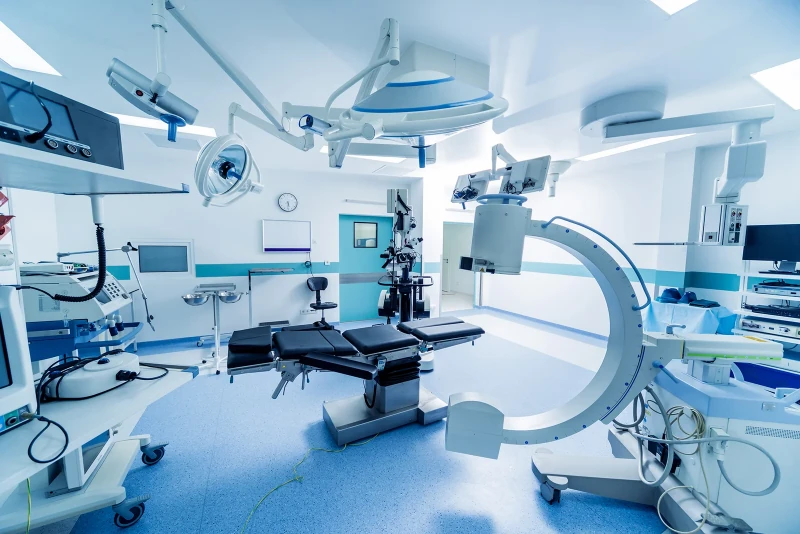
A device-related finding prompts a review of the supplier connection supporting an imaging service. Security, clinical engineering and the department owner need to understand the dependencies before deciding how to respond.
Operating priorities / Healthcare
Ask clinical engineering and the service owner which workstations, shared systems and support arrangements the service relies on.
Include supplier responsibilities, approved assessment methods and maintenance conditions in the investigation.
Review the proposed change with the teams responsible for service availability and recovery.
Discover / Provenance / Response
Discover helps review observed identities, relationships and candidate exposure around the selected service, with collection methods agreed by the healthcare team.
Provenance supplies source-linked software and cryptographic context where analysis inputs are available. Retain gaps that require supplier confirmation.
The Response Council examines competing explanations and prepares a bounded proposal. Clinical and technical owners review the dependencies, exclusions and next steps.
Agentic AI / Healthcare
The Council connects the technical finding to a service review that includes clinical engineering and supplier questions.
Examine the evidence for the access relationship and the affected system’s identity. Surface missing context about the device, workstation and supporting services.
Prepare options that state what would change, which support arrangements need confirmation and what evidence the reviewers still need.
Clinical engineering and the service owner review operational impact and support conditions before authorizing the technical next step.
Decision & evaluation criteria
Follow one imaging-service access question through investigation and clinical engineering review. Assess whether ASOC makes dependencies and uncertainty clear enough to choose the next step.
See the evaluation approach →Next steps
Bring security, clinical engineering and the service owner together around an imaging or device-support question. No patient information is needed to discuss the scope.